

What IS my Professional Responsibility?
I'm sharing the last domain logistics first, for a reason. Some of my favorite books start with the ending, the reflection. The author knows the reader would prefer the joy of putting all the pieces together for themselves. How do I see my "assignment" as an educator? Why do I choose to return to the classroom, when there are safer, better paying careers? This is how I succeed every day. I go to work an hour early. I tidy my own class. I prep and copy my sources. I rewatch, reread every source. I check my pacing guide and if I do not have one assigned, I make one. I have a binder with all my favorite new ideas or strategies or techniques. I prep my boards and practice what I am going to say and how I am going to say it. I choose a couple of "deescalations" one liner14-16 is tough developmentally under ideal circumstances. In over 15 years I have never seen one student in an ideal circumstance. I have a champion mindset. I model compliance to the dress code. I do my job. I set an alarm to force myself a rest refuel moment. After every class I make a note of what worked, what needs to be changed. Sources are the meat of the lesson. I adjust my sources to the sources that spark the richest discussions. I do a lot of tracking and tallying student participation and its quality. Gradebooks are my priceless receipt holders. It contains the wealth and debt of learning for everyday for 10 months. Accurate records are the proof I need to help a student with support in and beyond the classroom. I model my excellence, "Evidence based writing and responses are a life skill". I model self-control. The discipline to use emotional intelligence to hear and understand everything being said to you, or concerning you, can save your life. I understand the assignment. Today children will learn something new that they never knew before. I always greet every student one by one outside my class before it became trendy. I always start with a welcome and end class with " thank you so much, good class!" I am balanced and grounded and focus on practical goals for myself for the year. I am investing in technology courses that teaches how to authenticate sources and websites. I attend one PD a year for History teachers or go abroad for the summer for a history related program. I maintain membership with accredited National History organizations. My specialty is discussion protocols, trauma informed practice and contested histories. I model how to follow policies and procedures at my school, I designed a system to keep families informed and cooperative. My personality and languages allow me to collaborate with staff and students from various backgrounds, I protect student's emotional safety and identity respect during hard conversations. I am a Neo Renaissance educator who builds bridges, crosses bridges and becomes the bridge when necessary.
What Does A Day in My Classroom look like?
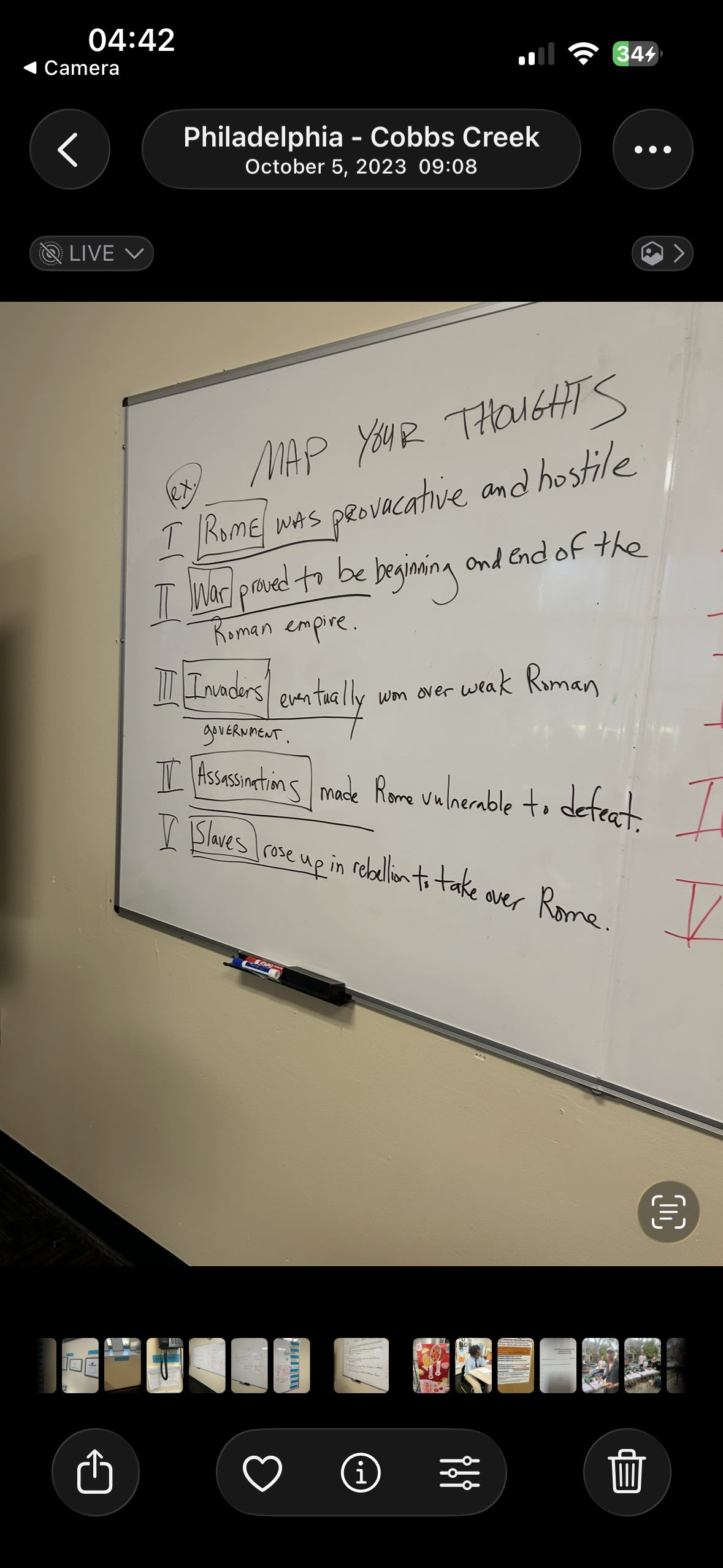
I will continue with the lesson example I previously introduced you to. I set up the classroom as a Gallery the day before the lesson. The chairs are clustered and moved out of the way. There is a premade banner that states "American Imperialism and Anti Imperialism." I purposely give them 7-9 artifacts from primary and secondary sources. There is a premade playlist. The Lesson is Gallery Walk with" guest historians from universities all over the world (my students). There are various forms of Art. Old newspaper reprint, political cartoons from the age, speeches from people who are pro-imperialist, photo of a famous Anti Imperialist, etc. I structure the art to be spaced around the room to create an environment of respect and rapport, student groups are limited per piece of art (3 students at a time) and the time to analyze is limited by a sound effect (ring hotel bell, every 2 minutes), Students must move and not sit down until the gallery walk is complete. I preplan to have other support staff come in. There are one on one Paraprofessionals, Caseworkers, the Dean behavioral team, security, School counselor etc. Everyone gets to do their best and have it been witnessed by people who may not often get to see students choosing habits of abundance. Each adult has a page full of sentence stems and is supposed to engage in chit chat with the students about the art. This reinforces the culture and community of learning. It is their "job description" still on the board from the day before. Specific vocabulary for the lesson must be used, "American imperialism" and "Anti-imperialism. "I have chairs in the early finish section of the room i manage procedures by modeling rotating between the art and chatting with the "historians" on their findings, quiet redirection, monitoring the pathways stay clear so no one trips. All adults also have preauthorization to send out only one kid at a time to the bathroom on a 5 min pass. This and an "entrance concierge" (adult staff) sitting on a stool by the door, limits distraction and helps me monitor the door for kids trying to elope from class or admin visiting with supplies or early dismissal notices. Windows into the room are clear for safety. For a 50-minute class I use a max of 20 minutes for the gallery walk. The entire class safely reorganize their seats and complete their analysis, while I praise them for noticing the clearly posted directions on which way to walk to not cause bottle necking, limiting the groups of 3 to discussion with each other only, DO NOT TOUCH signs under the art and on the lamps brought in to soften the lighting, checking the school schedule to make sure there are no programs or drills that will cut class short to decrease anxiety about completing the work. The room is to look, feel, sound, like a serious museum.
What does Planning and Preparation look like?
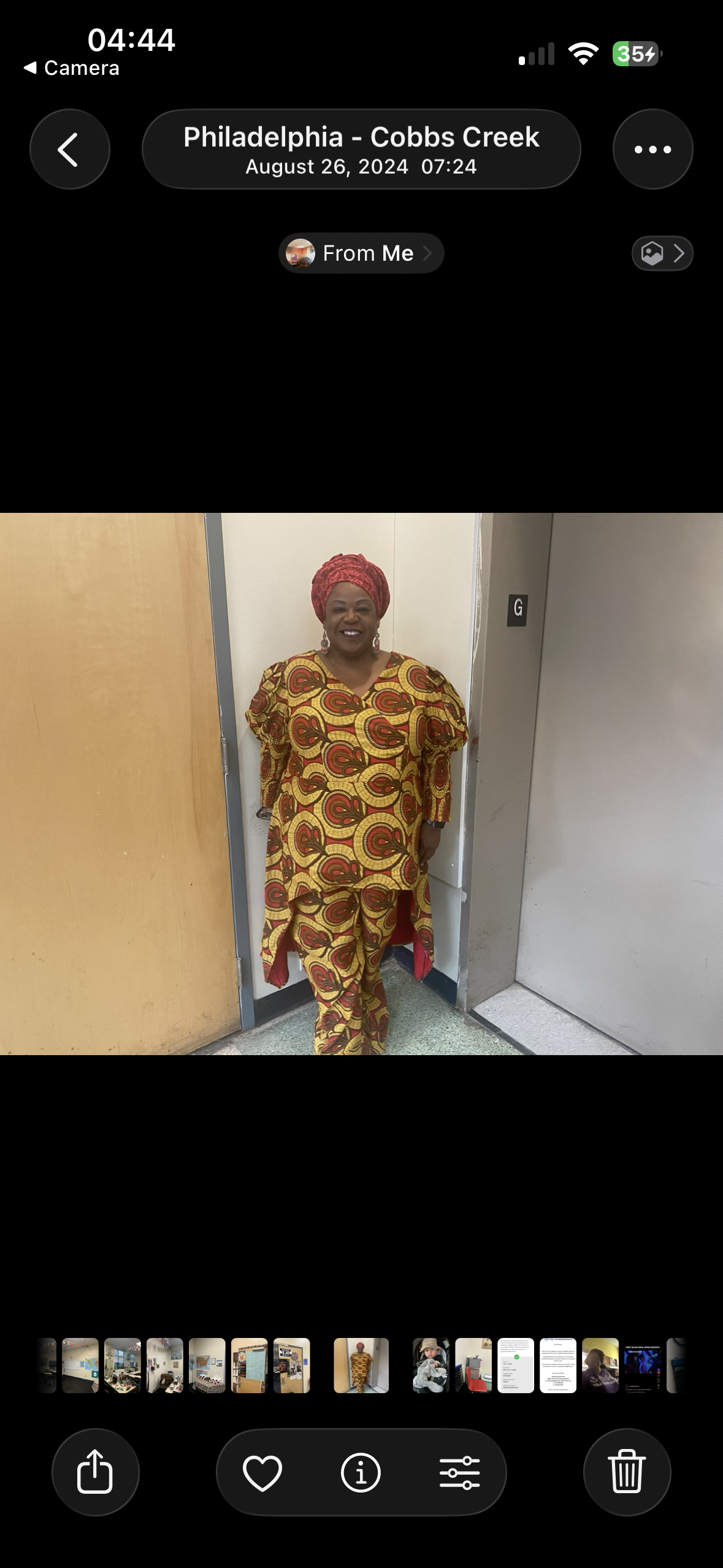
For my 10th grade US History lesson, "multiple Perspectives on American Imperialism and Anti-Imperialism, my planning shows strong knowledge of both content and how to teach it i started by choosing clear outcomes: I write in red ink "OBJECTIVE: Students will be able to explain what American Imperialism was at the turn of the 20th century, analyze primary sources from both pro and anti-imperialist voices, and take a position supported with evidence." I write under that in Bold Black ink "This is your job description for today." I designed the lesson around what I know about my students, they like to get out of their seats, they are vocal, they are opinionated and do better when they connect history to power and justice. I build in structured discussion3 times during the period. I provide primary or secondary or mixed sources. I put sentence stems sentence stems on the board instead of long lectures. i selected and adapted resources that matched their goals and reading levels, including short primary source excerpts, political cartoons, and a short intro video. On gallery walk lesson days, I play music from the period we are discussing and music on the same subject from today's tunes in the background. i Introduce debate as the main classwork contribution, I sequenced the lesson, so instruction is coherent. The class intro is a discussion stemming from the written definition deep dive about imperialism. I may say, "What is an empire?" for example. I clarify with a 5 minute-8-minute lecture on background context. I allow a few minutes for small group source analysis with guiding questions that transition into a whole class discussion. We compare perspectives. Finally, I build an assessment into my lesson with an exit ticket where students apply the OBJECTIVE for the day. Each claim must be backed by a minimum of two sources. I jot down some student's names who have mastered the lesson segment and a few that repeated misconceptions stated in the lecture. I lap the room 3 different times to gather data in real time. I tally who met the outcomes when I grade the papers to see who met the outcomes and who needs reteaching.
What Does Instruction look and sound like?
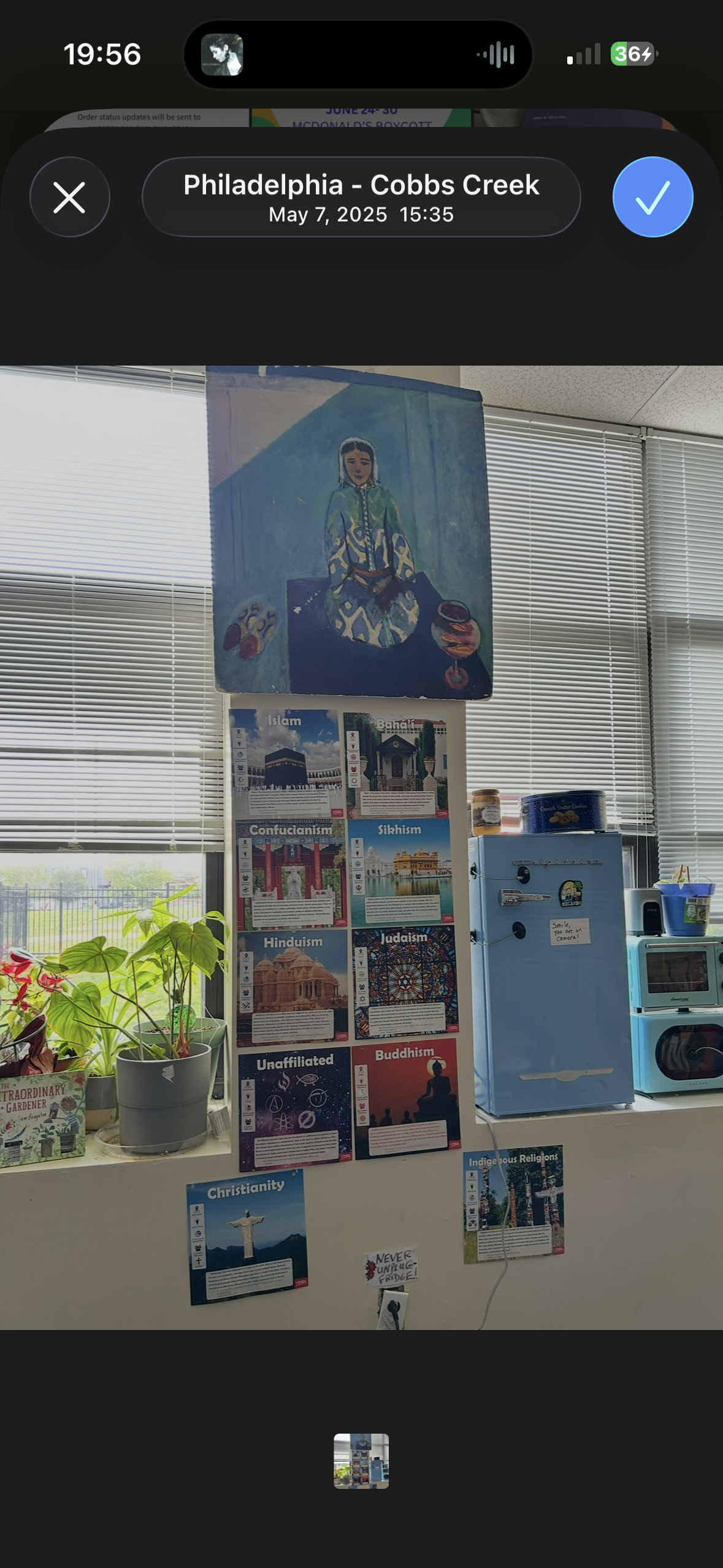
I communicate on the boards and verbally that we have daily objectives and then define "objective". I communicate that our objective on the last day of the week will "cook' all these ideas/documents, etc., together. While lining up to enter class we do. a 10 second review for a prize (it' always school supplies). "What was the objective for YESTERDAY? What is American Imperialism? What is Anti-Imperialism? Once someone different has answered each question the kids enter the room. Simple, concrete language is used when speaking at a conversational speed, hard copies of the vocabulary and class pacing are handed out at the door before the students come in. I stand in the middle of the room, where my seats are arranged in a circle or a "U". I give quick examples of the key words posted on the word wall and the hard copies. I use open and closed questioning techniques. I may start my questions asking students to "explain" specific things and end up asking them to "evaluate" the subject and the circumstances surrounding it. I move to deep dive as I perch in different spots of the room so everyone can hear me and have access to side bar or group questions. I structure' turn and talks' then I do my first lap to check for understanding. I move on to 'think-pair-share' to activate individuals and groups to participate. The first part of the year I give sentence stems to train the students on how to command respect when they speak and keep the listeners attention. I embed assessment into the instruction by listening to their discussions. I highlight a well-rounded answer and then remind the students to self-check for M & M's (myth and misperception) I take my final lap around class with my clipboard to jot down who was taking evidence-based positions. I am responsive and flexible when engaging with student remarks or questions. I adjust my questions and pacing for each class. I adjust my written words and speak language at a speed to keep my neurodivergent kids calm and confident. Students' ideas and responses drive the class with discussion. I scaffold the lesson so my restating difficult words or pausing class for quick clarifications encourages student facing progress in; thinking, listening, speaking and comprehension.
"Ms. Ztaoui's innovative approach not only inspires her students but also serves as a model for her colleagues. Her dedication to both theory and practice is truly commendable."
[[Sharon Levy]], Site Supervisor for Student Teaching State Compliance [DREXEL UNIVERSITY]
Create Your Own Website With Webador